Sub-category Areas
Property & Real Estate Matters
Property and real estate disputes arise due to unclear ownership, defective documents, or unlawful possession. These matters usually require civil court intervention to protect ownership, possession, and property rights.

Common Issues Faced
- Title and ownership disputes
- Partition of ancestral or joint family property
- Illegal possession or encroachment
- Sale deed or agreement disputes
- Boundary and access conflicts
How an Advocate Helps
- Verifies title and property documents
- Files or defends civil suits for declaration and possession
- Handles partition and injunction proceedings
- Represents clients before civil courts and authorities
Legal Process Involved
- Legal notice (if required)
- Filing civil suit or injunction application
- Submission of evidence and documents
- Court hearings and final decree
Documents Required
- Sale deed / title deed
- Property tax receipts
- Encumbrance certificate
- Survey and revenue records
(*Documents obtained from sub-registrar office, revenue department, or municipal authorities.)
Family & Personal Civil Matters
Family and personal civil matters involve disputes arising from marriage, relationships, family responsibilities, and personal rights. These matters often require careful legal handling due to their emotional, financial, and social impact. Timely legal guidance helps protect individual rights and reach lawful resolutions.

Common Issues Clients Face
- Divorce and separation disputes
- Maintenance and alimony claims
- Child custody and visitation issues
- Family property and inheritance disputes
- Domestic disagreements leading to civil litigation
- Disputes between family members over rights or obligations
How an Advocate Helps
- Explains legal rights and remedies under applicable laws
- Drafts and files petitions before family or civil courts
- Represents clients during hearings and proceedings
- Assists in settlement, mediation, or contested litigation
- Ensures lawful protection of personal and family interests
Primary Steps Clients Should Follow
Step 1: Identify the Nature of the Family Dispute
Determine whether the issue relates to marriage, maintenance, child custody, or family property.
Step 2: Gather Relevant Personal and Family Records
- Marriage and relationship records
- Income and financial details
- Property or inheritance documents
Step 3: Seek Legal Advice Before Initiating Action
Family disputes often involve long-term consequences. An advocate advises on the appropriate legal course.
Step 4: Initiate Legal Proceedings or Settlement
- Filing petitions before family or civil courts
- Counselling or mediation, where applicable
- Contested proceedings, if settlement is not possible
Mistakes Clients Should Avoid
- Taking decisions based on emotions alone
- Delaying legal action despite ongoing disputes
- Ignoring legal notices or court communications
- Withholding or misrepresenting facts
- Proceeding without legal consultation
Legal Process Involved
- Filing petition before family or civil court
- Counselling or mediation (if applicable)
- Evidence and hearings
- Final orders or decree
Documents Commonly Required
Personal & Family Documents
- Marriage certificate or proof of relationship
- Identity and address proof of parties
- Income and employment records (*Provided by the individuals involved.)
Property & Supporting Records
- Property ownership or inheritance documents
- Bank statements and financial records
- Correspondence relevant to the dispute (*Used to establish claims and rights.)
Why Early Legal Consultation Matters
- Helps protect legal and personal rights
- Reduces escalation of family disputes
- Improves chances of lawful settlement
- Avoids procedural and long-term complications
Contracts & Money Recovery
Contracts and money recovery matters arise when one party fails to honour financial or contractual obligations. Such disputes commonly involve non-payment, breach of agreement, or denial of committed liabilities. Legal remedies help recover dues and enforce contractual rights through lawful procedures.

Common Issues Clients Face
- Non-payment of loans, advances, or agreed consideration
- Breach of contract or failure to perform agreed obligations
- Disputes over payment timelines or amounts
- Refusal to honour written agreements or undertakings
- Difficulty recovering money despite repeated demands
How an Advocate Helps
- Reviews contracts, agreements, and transaction records
- Advises on legal remedies available for recovery
- Issues legal notices demanding payment
- Files and represents clients in money recovery suits
- Assists in settlement, mediation, or court proceedings
Legal Process Involved
- Issuing legal notice for payment or compliance
- Filing money recovery suit before competent civil court
- Submission of documents and evidence
- Court hearings and trial
- Passing of decree and execution for recovery
Mistakes Clients Should Avoid
- Relying only on verbal promises for repayment
- Delaying legal action after default
- Not maintaining proper payment or transaction records
- Accepting partial payments without documentation
- Proceeding without legal consultation
Documents Commonly Required
Identity & Address Proof
- Aadhaar Card / PAN Card / Driving Licence
- Electricity Bill / Gas Bill / Bank Statement (*For identification and address verification.)
Contract & Transaction Documents
- Written agreements, contracts, or MOUs
- Invoices, bills, or payment receipts
- Bank statements showing transactions
- Emails, messages, or written communications (*Provided by the party seeking recovery.)
Supporting Financial Records
- Loan documents or acknowledgment of debt
- Cheque details, if any
- Correspondence demanding payment (*Used to establish liability and amount due.)
Landlord–Tenant Disputes
Landlord–tenant disputes arise from disagreements related to possession, rent, lease terms, or use of property. These matters commonly involve eviction issues, rent arrears, or violation of rental agreements and are resolved through civil court processes as per applicable tenancy laws.

Common Issues Clients Face
- Non-payment or delayed payment of rent
- Eviction disputes and refusal to vacate premises
- Violation of lease or rental agreement terms
- Illegal occupation or overstaying by tenant
- Disputes over maintenance, repairs, or usage of property
How an Advocate Helps
- Examines lease or rental agreements and property records
- Advises on rights and obligations of landlord or tenant
- Issues legal notices for eviction or rent recovery
- Files and represents parties in tenancy or civil courts
- Assists in lawful eviction and recovery proceedings
Legal Process Involved
- Issuing legal notice for eviction or rent recovery
- Filing eviction or rent recovery petition before competent court
- Submission of pleadings and supporting documents
- Court hearings and evidence
- Passing of eviction or recovery order and execution
Mistakes Clients Should Avoid
- Forcibly evicting tenant without following legal procedure
- Stopping essential services to pressure the other party
- Ignoring legal notices or court summons
- Failing to maintain written rental agreements
- Proceeding without legal consultation
Documents Commonly Required
Identity & Address Proof
- Aadhaar Card / PAN Card / Driving Licence
- Electricity Bill / Gas Bill / Bank Statement (*For identification and address verification.)
Property & Tenancy Documents
- Lease or rental agreement
- Property ownership documents
- Rent payment receipts or bank records
- Notices or correspondence between parties (*Provided by landlord or tenant, as applicable.)
Injunctions & Civil Suits
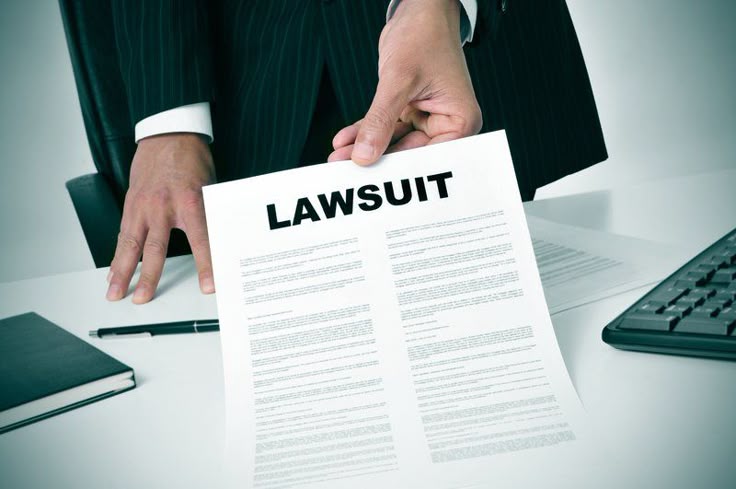
Injunctions and civil suits are legal remedies used to protect rights, prevent unlawful actions, or seek enforcement of legal claims through civil courts. These matters usually arise when there is a threat to property, possession, or legal rights and immediate or long-term court intervention is required.
Common Issues Clients Face
- Threat of illegal dispossession or interference
- Unlawful construction or encroachment
- Interference with property or business rights
- Need to restrain another party from certain actions
- Disputes requiring declaration of legal rights
How an Advocate Helps
- Assesses the urgency and nature of legal protection required
- Drafts and files civil suits and injunction applications
- Seeks interim or temporary injunctions from court
- Represents clients during hearings and trial
- Ensures enforcement of court orders
Legal Process Involved
- Drafting and filing of civil suit with injunction application
- Hearing on interim or temporary injunction
- Submission of pleadings, evidence, and affidavits
- Trial and final arguments
- Final judgment or decree by the court
Mistakes Clients Should Avoid
- Delaying court action despite immediate threat
- Taking forceful or unlawful measures
- Ignoring court notices or interim orders
- Failing to preserve evidence
- Proceeding without legal advice
Documents Commonly Required
Identity & Address Proof
- Aadhaar Card / PAN Card / Driving Licence
- Electricity Bill / Gas Bill / Bank Statement (*For identification and address verification.)
Supporting Legal Documents
- Property ownership or possession documents
- Agreements, deeds, or contracts (if applicable)
- Photographs, notices, or correspondence
- Any proof showing threat or interference (*Used to establish rights and urgency before court.)
Consumer & Compensation Claims
Consumer and compensation claims arise when a person suffers loss or damage due to deficiency in service, defective goods, negligence, or unfair trade practices. These matters are addressed through consumer forums or civil courts to seek compensation and corrective relief.

Common Issues Clients Face
- Defective or substandard goods
- Deficiency in services by service providers
- Unfair trade practices or false representations
- Medical, professional, or service-related negligence
- Delay or failure in delivery of promised services
- Refusal to refund or compensate for loss
How an Advocate Helps
- Examines facts, bills, and service records
- Advises on remedies available under consumer laws
- Drafts and files consumer complaints
- Represents clients before consumer forums or courts
- Assists in claiming compensation and relief
Legal Process Involved
- Issuing legal notice (where required)
- Filing complaint before appropriate consumer forum
- Submission of documents and evidence
- Hearings and arguments
- Final order granting compensation or relief
Mistakes Clients Should Avoid
- Delaying complaint beyond limitation period
- Not preserving bills, invoices, or proof of service
- Relying only on oral assurances
- Accepting settlements without documentation
- Proceeding without understanding legal remedies
Documents Commonly Required
Identity & Address Proof
- Aadhaar Card / PAN Card / Driving Licence
- Electricity Bill / Gas Bill / Bank Statement (*For identification and address verification.)
Consumer & Transaction Documents
- Purchase bills, invoices, or receipts
- Warranty cards or service agreements
- Service records or delivery proof
- Emails, messages, or written complaints (*Provided by the consumer to establish deficiency or loss.)
Succession & Probate Matters
Succession and probate matters arise after the death of an individual, relating to the transfer of property, assets, and legal rights to heirs. These matters often involve inheritance disputes, validity of wills, or identification of legal heirs and are governed by established civil court procedures.

Common Issues Clients Face
- Disputes regarding validity or execution of a Will
- Absence of a Will leading to inheritance conflicts
- Difficulty in identifying legal heirs
- Delay in transfer of property or bank assets
- Objections raised by family members or third parties
How an Advocate Helps
- Examines wills, family records, and asset details
- Advises on applicable succession laws
- Drafts and files probate or succession petitions
- Represents clients before civil courts
- Assists in lawful transfer of assets after court orders
Legal Process Involved
- Identification of legal heirs or existence of Will
- Filing probate petition (if Will exists) or succession certificate petition
- Issuance of court notices to heirs and publication of public notice
- Hearing, evidence, and verification by the court
- Grant of probate or succession certificate
Mistakes Clients Should Avoid
- Proceeding with asset transfer without legal authority
- Ignoring objections raised by other heirs
- Delaying initiation of succession proceedings
- Submitting incomplete or incorrect documents
- Handling inheritance matters without legal guidance
Documents Commonly Required
Identity & Address Proof
- Aadhaar Card / PAN Card / Driving Licence
- Electricity Bill / Gas Bill / Bank Statement (*For identification and address verification of legal heirs.)
Deceased Person & Asset Documents
- Death certificate issued by municipal authority
- Original Will (if any)
- Property ownership documents
- Bank account, investment, or insurance details (*Obtained from municipal offices, banks, or personal records.)